
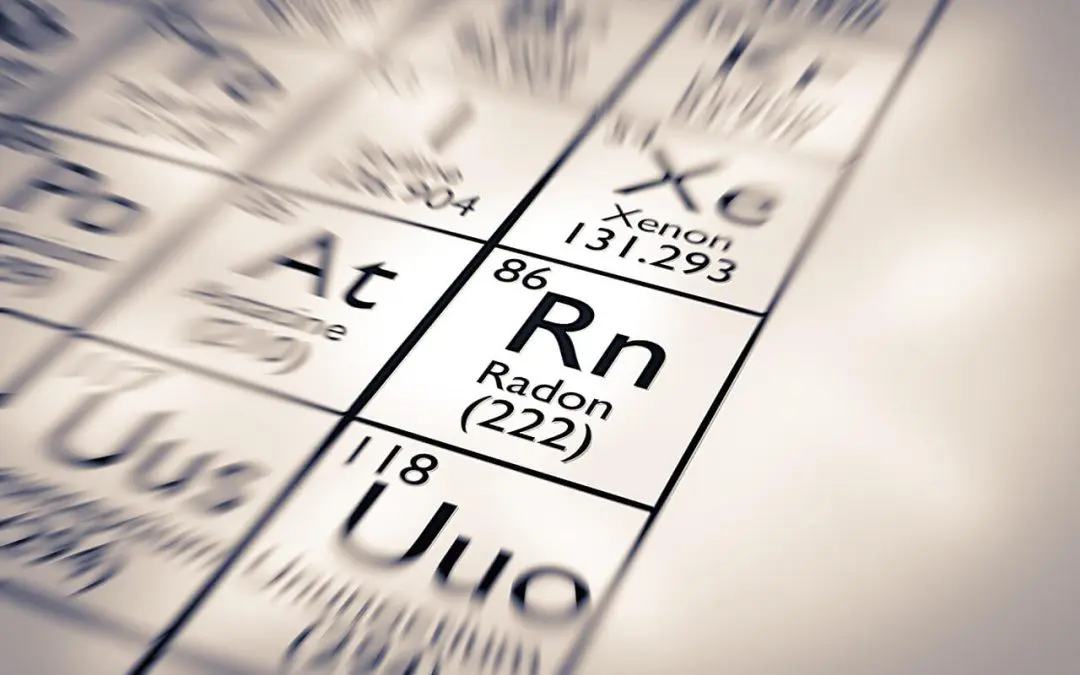
When we think about home safety, our minds usually jump to smoke detectors, carbon monoxide sensors, and sturdy door locks. However, there is a silent, odorless, and completely invisible threat that could be lurking unnoticed right now. Radon testing is the only definitive way to identify this radioactive gas, which originates from the natural breakdown of uranium in soil, rock, and water. Because you cannot see, smell, or taste it, many homeowners remain unaware of its presence. Investing in a professional assessment is a vital step in ensuring the long-term respiratory health of everyone living under your roof.
What Exactly Is Radon?
Radon is a naturally occurring radioactive gas produced when uranium in the earth decays. It typically moves up through the ground and enters homes through cracks in the foundation, gaps around service pipes, or construction joints. While outdoor air dilutes radon to very low levels, the confined spaces of a home can act as a trap, allowing the gas to accumulate to dangerous concentrations. According to the Surgeon General, radon is the second leading cause of lung cancer in the United States, second only to smoking. This makes the air quality in your home a matter of significant medical importance.
The Advantages of Professional Radon Testing
While there are many charcoal canisters and DIY kits available at local hardware stores, they often fall short when compared to the accuracy of a professional. Expert radon testing utilizes calibrated, continuous monitors that track fluctuations in gas levels hour by hour. These devices are far less susceptible to “interference” or user error, which can plague home kits. A certified professional understands the nuances of “closed-house conditions” and ensures the test is conducted in a way that provides a true representation of your home’s average exposure. When you are making a decision as big as buying a house or protecting your children, the precision of a lab report is worth the investment.
Understanding the Process of Mitigation
If your radon testing results return a reading above the EPA’s action level of 4.0 picocuries per liter, there is no need to panic. Radon is a solvable problem. The most common method of mitigation is a sub-slab suction system, which involves installing a vent pipe and a specialized fan. This system pulls the radon gas from beneath the foundation and vents it safely above the roofline before it ever enters your living space. These systems are surprisingly quiet and highly effective, often reducing radon levels by up to 99 percent. A professional mitigator will design a system tailored to your home’s specific footprint, ensuring clean air without compromising your home’s energy efficiency.
When Is the Best Time for Radon Testing?
While many people think of radon testing as a one-time event during a home purchase, the reality is that home environments change over time. Settling foundations can develop new cracks, and major renovations or seismic activity may alter the path of soil gases. It is best practice to test your home every 2 years, or whenever you plan to finish a basement or convert a lower-level room into a bedroom.
Frequently Asked Questions (FAQs)
Do certain types of homes have a higher risk of radon?
While basements and crawlspaces are often cited as the most common sites for radon accumulation, radon can be found in any type of house. Even slab-on-grade homes or new constructions with “radon-resistant” features can still show elevated levels. The only way to know for certain is through individual house testing, as levels may vary significantly even between two houses on the same street.
How long does a professional test usually take?
A standard professional test typically requires at least 48 hours. During this time, the home must be kept under “closed-house” conditions, meaning windows and outside doors should remain closed except for normal entry and exit. This allows the monitor to capture a stable and accurate reading of the indoor air environment.
Will a radon mitigation system affect my home’s resale value?
In most cases, having a professionally installed and functioning mitigation system is seen as a positive by buyers. It demonstrates that the homeowner has been proactive about safety and has already addressed a common regional issue. It removes a potential hurdle during the inspection phase of a future sale.
Can I just open my windows to get rid of radon?
While opening windows may temporarily lower radon levels by increasing ventilation, it is not a permanent or effective solution. Radon is constantly being released from the soil, so as soon as the windows are closed, the levels will begin to climb again. A dedicated mitigation system is the only way to guarantee consistent, long-term safety.
HomeVantage Home Inspections provides termite inspection services to homebuyers and sellers in Northern New Jersey. Contact us to schedule an appointment.